
You can improve your health and wellness naturally by building balanced meals, drinking enough fluids, moving regularly, protecting your sleep, and making time for stress relief and supportive relationships. These daily actions give you practical ways to support your energy and well-being without an elaborate routine.

You can build a healthy lifestyle around affordable foods and activities that fit your abilities. Your health and wellness routine should leave room for busy days, limited energy, and changes in your health.
When you choose natural solutions, focus on everyday habits with clear benefits. Keep prescribed treatment and preventive care part of your plan, especially when you manage a long-term condition.
Build Balanced Meals for Better Health and Wellness and Stay Hydrated
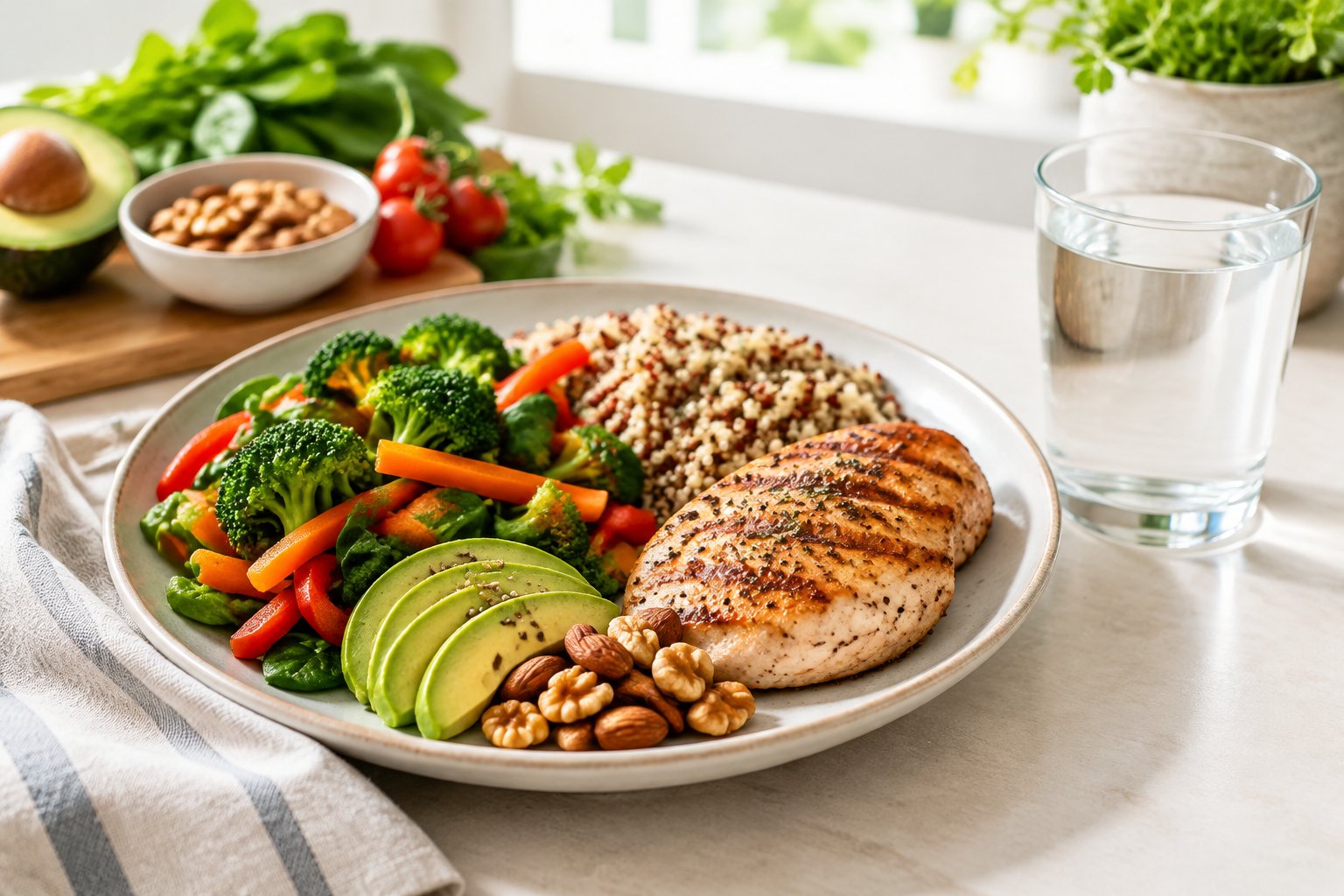
Build your meals around whole foods, and keep drinking water within reach throughout your day.
For a flexible meal, combine vegetables or fruit with whole grains and lean protein. You might pair brown rice with frozen vegetables and beans, or add eggs and fruit to whole-grain toast. Frozen produce and canned beans give you useful options when fresh food costs more or spoils before you use it.
Try these practical adjustments:
- Add frozen spinach to your eggs or soup.
- Keep oats or whole-grain bread available for breakfast.
- Rinse canned beans and add them to a familiar meal.
- Pour water with meals and refill your bottle when you finish it.
Your hydration needs change with heat, activity, and health conditions. General adult reference amounts are 2.7 liters of total water daily for women and 3.7 liters for men, including water in food and all beverages. These figures are reference levels, so follow any fluid limits your clinician gives you.
If you use a drinking water filter, match it to the contaminants you need to address.
You also need zinc for immune function and wound healing. Your recommended daily intake, if you are a non pregnant adult, is 8 mg for women or 11 mg for men. Include foods such as seafood, dairy, beans, or nuts; discuss supplements with your clinician if you have a restricted diet or suspected deficiency.
Balance Daily Movement With Restorative Sleep

Pair regular physical activity with a steady sleep schedule so you give your body both movement and recovery.
As an adult, work toward 150 to 300 minutes of moderate-intensity aerobic activity each week, plus muscle-strengthening activity on two days. Start below that level if you are inactive, then build gradually.
Choose movement you enjoy and can access. Brisk walking and dancing count toward aerobic activity when they raise your breathing enough that you can talk but cannot sing. If you already have access to an elliptical machine, use it as an indoor option. Gentle yoga offers another way to include movement on lighter days.
Protect quality sleep with the same attention you give exercise. If you are 18 to 60, aim for seven or more hours each night; your recommended range changes as you get older.
To support your sleep quality:
- Keep your bedtime and wake-up time consistent.
- Make your bedroom cool, dark, and quiet.
- Turn off electronic devices before bed.
- Avoid caffeine in the afternoon or evening.
- Choose lighter evening meals when large meals disturb your sleep.
After a difficult night, adjust the intensity of your next workout to your energy and alertness. Avoid exercising through dizziness, unusual breathlessness, or sharp pain.
Manage Stress and Strengthen Social Connections
Give yourself a brief daily pause and regular contact with people who help you feel supported.
You can practice mindfulness while washing dishes or walking by noticing what you feel and gently returning your attention when it wanders. Meditation may help you manage stress and anxiety, though benefits vary and the evidence has limits.
For breathing exercises, sit comfortably and let your shoulders relax. Breathe gently through your nose, then release your breath without pushing. During deep breathing exercises, keep each breath comfortable; stop if you feel dizzy or more anxious.
Make self-care specific enough to fit into your day:
- Silence nonessential notifications during a meal.
- Step outside during a work break.
- Try practicing gratitude by writing down something you appreciated.
- Set a boundary around a task that repeatedly drains you.
Your mental well-being also benefits from connection. Supportive relationships help you cope with stressful life challenges. Arrange a walk with a friend, share a meal, or keep a regular phone conversation on your calendar.
Choose people who respect your boundaries. If stress or low mood interferes with your daily life, seek professional support alongside your daily coping habits.
Start Small and Build Habits That Last
Choose a small, repeatable action to begin building a healthier lifestyle.
Attach it to something you already do: drink water with lunch, walk after dinner, or begin winding down after brushing your teeth. If you use a fitness tracker, keep your attention on a useful measure such as activity minutes. A paper calendar also gives you a simple record.
During your first 30 days, look for progress in how regularly you repeat the action and how well it fits your life. Avoid giving yourself a fixed deadline for automatic habits: reported median habit-formation times ranged from 59 to 66 days, with wide individual differences.
Support your long-term health with balanced food choices and regular movement, while protecting sleep and connection. When a routine slips, return at the next practical opportunity and adjust the step if it keeps feeling too demanding.
Frequently Asked Questions
You can fit natural health habits around your abilities, medical needs, and daily responsibilities.
Do You Need Supplements for Better Health and Wellness Naturally?
You do not automatically need supplements when you begin a wellness routine. Your needs depend on your diet and health circumstances, and supplements can interact with medicines or medical conditions, so discuss them with a clinician or pharmacist.
Are natural solutions always safe?
You should judge natural solutions by their benefits and risks because a natural label does not guarantee safety or effectiveness. Check herbal products with your clinician, especially during pregnancy or when you take medication.
How Does Staying Active Support Your Health and Wellness If Walking Hurts?
Choose physical activity that avoids aggravating your pain, such as comfortable seated movement or water-based exercise. Ask a physical therapist or clinician to help you adapt your routine if pain persists or limits your usual activities.
What if you still feel tired after enough sleep?
Arrange a medical assessment if you regularly feel tired despite allowing enough time for quality sleep. Mention loud snoring, gasping, frequent waking, or daytime sleepiness so your clinician can check for sleep disorders and other causes.


