For more daily movement, choose a basic fitness tracker with step counting and activity reminders; for outdoor training without your phone, choose a model with built-in GPS. Your goal gives you a useful starting point and helps you avoid paying for features you will rarely open.
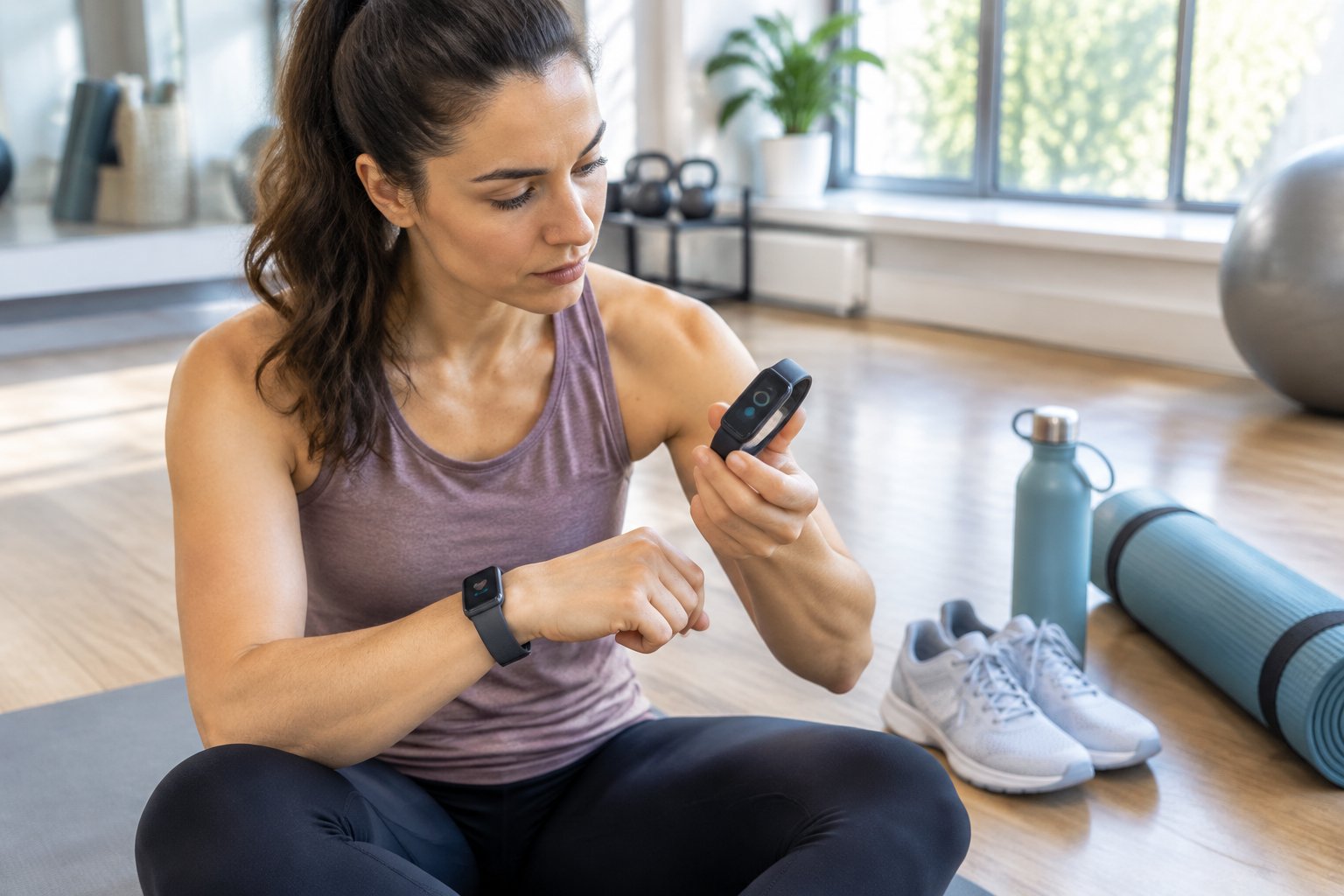
A comfortable device that fits your routine gives you more useful feedback than a feature-packed watch you leave charging. If you are replacing an underused wearable, start with what made you stop wearing it: wrist discomfort, frequent charging, confusing screens, or numbers that never helped you make a decision.
You can narrow your choice by connecting each feature to an action. Step reminders support movement breaks. Pace readings help you manage a run. Sleep trends help you review your bedtime habits.
Which Tracking Features Match Your Fitness Goals?
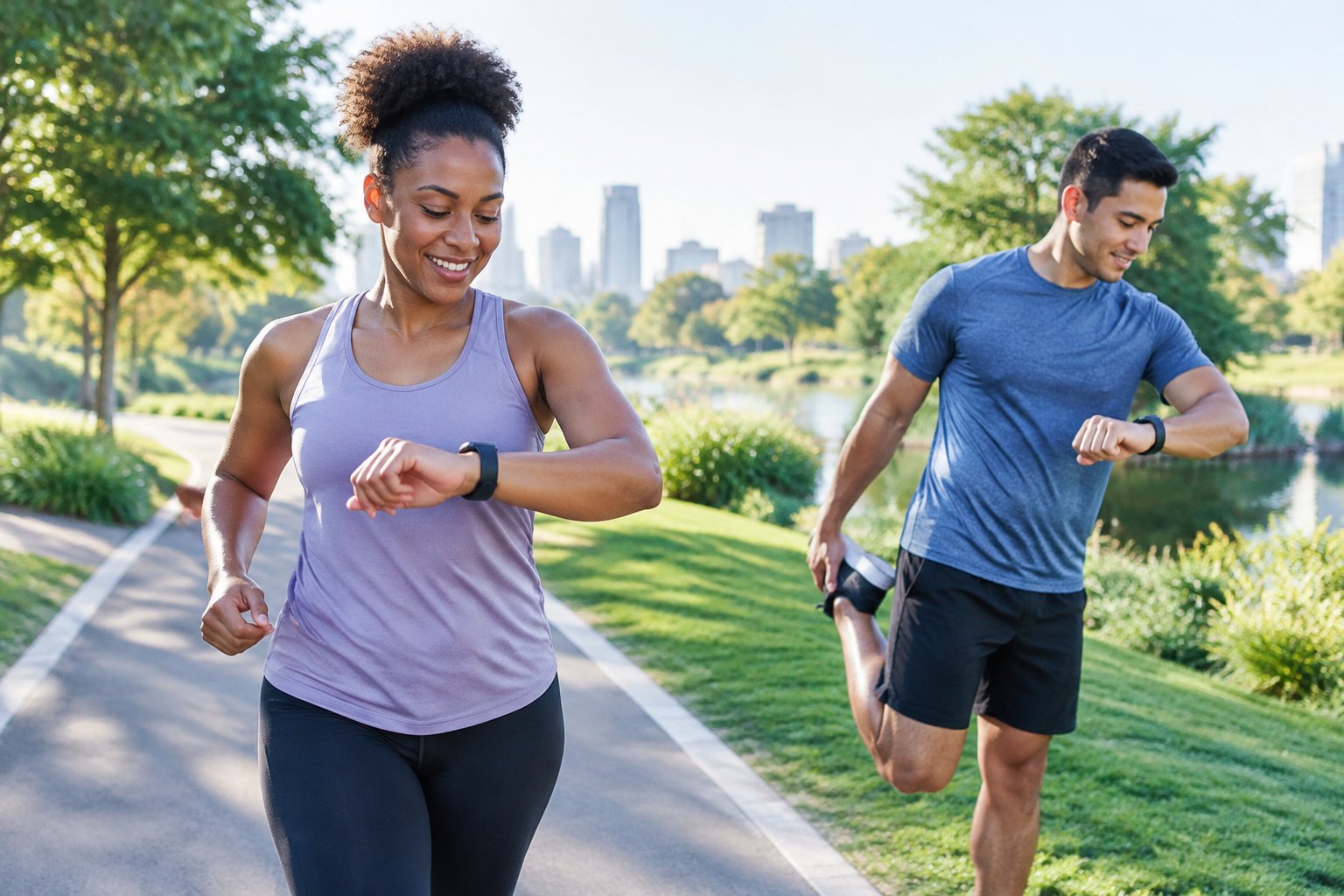
Match your fitness tracker to the activity you want to repeat and the feedback you will use.
| Your goal | Prioritize | Treat as optional |
|---|---|---|
| More daily movement | Step counts, reminders, clear daily totals | Advanced training scores |
| Structured running or cycling | Workout recording, pace, GPS, heart rate monitoring | Cellular service |
| Strength training | Easy workout controls, session timing, comfortable fit | Automatic repetition counting |
| Recovery awareness | Sleep duration, resting heart rate trends, overnight comfort | Coaching subscriptions |
| Swimming | Explicit approval for swimming, suitable band, swim recording | Dive features for pool workouts |
For outdoor exercise, distinguish built-in GPS from connected GPS. Built-in GPS records your route without your phone. Connected GPS uses your phone’s location, so carrying it remains part of your workout.
For heart-rate-based training, decide whether you need a rough effort check or detailed interval feedback. If precise workout readings drive your training, include compatibility with external heart rate monitors in your decision.
With fitness trackers, a long activity menu offers little value if your usual workout is difficult to start. Favor readable screens and controls you can operate while moving. For recovery goals, give overnight comfort the same attention you give the sleep dashboard.
Fitness Tracker or Smartwatch: What Works With Your Phone?
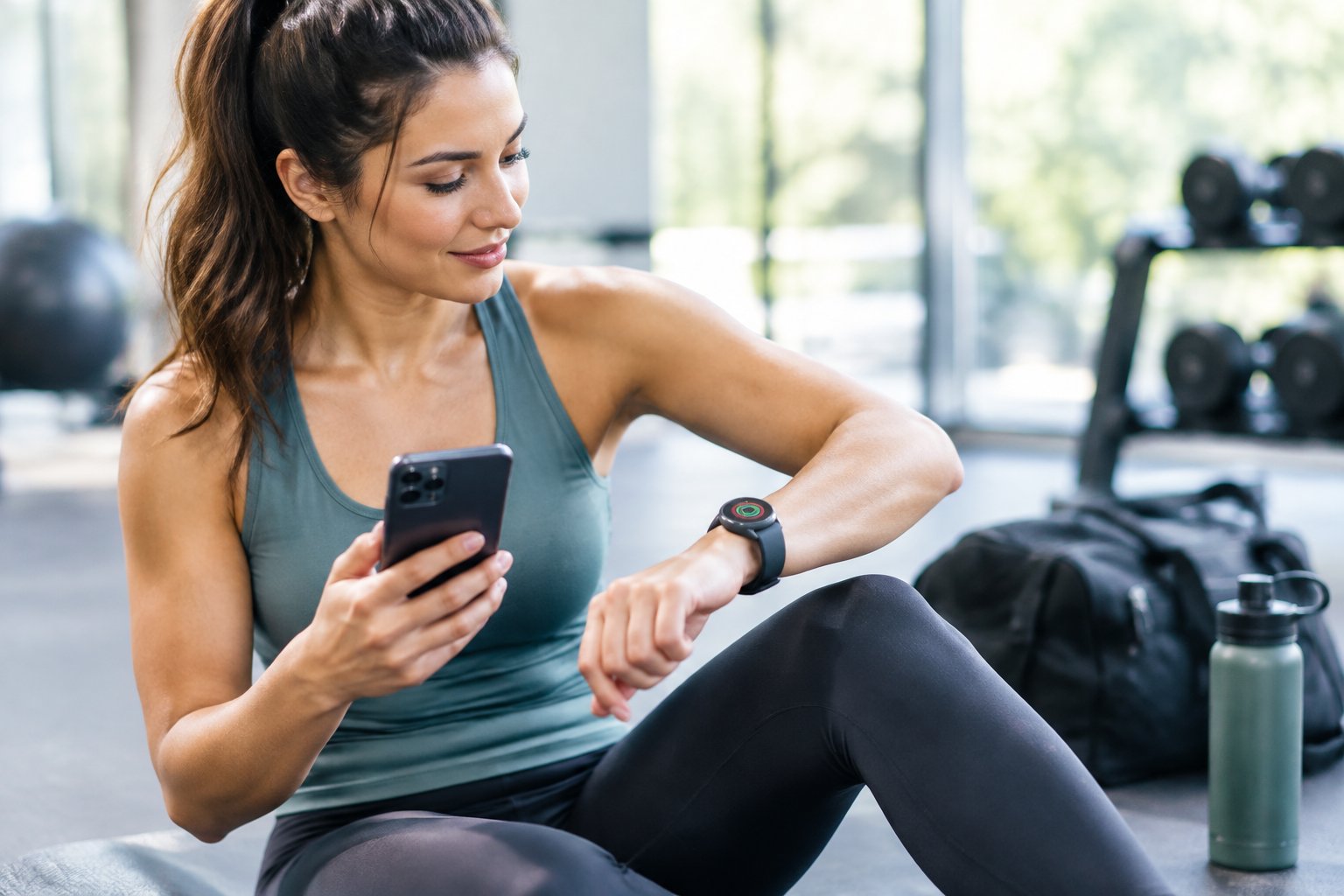
Your phone sets the first limit on your choice, while your need for wrist-based apps helps separate a fitness tracker from a smartwatch.
A tracker suits you when activity feedback is your main purpose. A smartwatch deserves consideration when you also want calls or richer app features. These categories overlap, so compare the exact functions you expect to use.
| Decision point | Fitness tracker | Smartwatch |
|---|---|---|
| Main purpose | Activity feedback | Fitness and phone features |
| Phone support | Model-specific | Model-specific |
| Useful screen test | Read workout stats | Read stats and messages |
| Ongoing cost check | Optional subscriptions | Subscriptions and cellular plans |
If you use an iPhone, your Apple Watch choice must match its iPhone and software requirements. Requirements differ by watch model, so the phone you already own belongs in your purchase decision.
For Fit bit, account and app requirements also affect access. You need a Google Account, and the Google Health app requires Android 14 or higher, or iOS 26 or higher.
When comparing smartwatches, separate GPS from cellular connectivity. GPS supports location tracking; cellular supports features such as calls away from your phone when your model and service plan allow them. Phone-free route recording alone does not require a cellular plan.
How Do Accuracy, Comfort, and Durability Compare?
Choose a device that stays comfortable and records your usual activity reliably enough to guide your decisions.
For wrist-based heart rate monitoring, follow the maker’s fit instructions. Keep the sensor against your skin with a secure band that avoids pinching. A watch that slides around during exercise creates a different measurement problem from a screen that is merely hard to read.
Treat workout readings as estimates. Fast changes in effort and wrist movement can affect optical heart-rate readings. Use trends alongside how hard the workout feels, and seek medical advice for symptoms or health concerns.
Compare battery life under the settings you plan to use. Advertised maximum battery life describes a particular setup. GPS recording and an always-on display increase power use, so your charging schedule needs room for those features. For sleep tracking, plan charging during a regular waking break.
Check these physical details when trying a device:
- Bend your wrist as you would during a push-up.
- Check whether the case presses into your hand.
- Read the screen in bright light.
- Try the charging attachment and band clasp.
For swimming, use the manufacturer’s approved activities as your guide. With an Apple Watch Series 2 or later, a 50-meter water-resistance rating supports shallow-water swimming; ordinary Series models have restrictions on diving and high-speed water activities. Your band also needs to suit water use, and water resistance diminishes over time.
What Will You Pay Upfront and Over Time?
Your total cost includes the device, any paid features you choose, and accessories or cellular service you need.
A fitness tracker and a smartwatch deserve the same budget check: identify which useful functions come with the hardware and which require an ongoing payment. Give any included trial an end date in your budget.
For a concrete US price example, your Apple Watch SE 3 hardware starts at $249 for GPS or $299 for GPS + Cellular. Cellular service adds a separate carrier-plan decision. The GPS model’s built-in GPS records workout distance and routes independently of your iPhone.
Use a simple cost worksheet:
- Hardware: Your chosen case, size, and connectivity.
- Paid software: Coaching or other subscription features you intend to keep.
- Accessories: A suitable exercise band and any replacement charging equipment.
- Service: A cellular plan if you want supported connected features away from your phone.
When you choose a smartwatch, assign a purpose to each upgrade. Cellular has a clear role if you want calls during phone-free outings. For step goals and routine workout recording, judge the device on those tasks before adding paid coaching.
Choose the Fitness Tracker Features You Will Actually Use
Choose the fitness tracker that supports your main goal and fits your daily wearing and charging habits.
Keep your shortlist tied to practical requirements: phone compatibility, useful workout feedback, comfortable fit, and a total cost you accept. Add built-in GPS for phone-free outdoor tracking or swimming approval for pool use.
Before settling on a device, decide when you will charge it and which screen you will check after your usual workout. If you are replacing an unused tracker, make sure your next choice directly addresses the reason you stopped wearing the last one.
Frequently Asked Questions
Do you need a subscription to use a fitness tracker?
You need a subscription only for features your chosen device places behind a paid plan. Separate the included activity features from paid coaching, then judge whether that coaching supports a routine you intend to follow.
Why does your tracker count fewer steps when you push a stroller?
Your wrist movement helps your tracker recognize steps, so holding a stroller handle affects that signal. With Fit bit, your arm needs to swing for step counting during walking or running; GPS offers another way to measure outdoor distance.
Does your calorie total show exercise calories only?
On Fit bit, your displayed daily total includes resting calorie burn and activity estimates. Your profile details contribute to the calculation, and heart rate monitoring contributes on supported devices, so keep your personal information accurate.
Can you use sleep tracking to diagnose a sleep problem?
Use your fitness tracker to observe sleep patterns and prepare questions for a clinician. Sleep-stage estimates and scores require medical context; persistent tiredness, breathing concerns, or disrupted sleep deserve professional assessment.