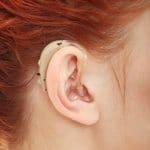
You can find comfortable and affordable hearing aids by matching the fit to your ears and hand skills, choosing amplification suited to your hearing loss, and comparing the full cost of devices and follow-up care. Your goal is a pair you can wear through ordinary conversations without painful pressure, harsh sound, or upkeep that strains your budget.

You have two kinds of comfort to consider: how the devices feel and how they sound. A small hearing aid might feel discreet yet be difficult to handle. A comfortable earpiece still needs suitable sound settings so everyday listening feels manageable.
Affordable hearing aids span different levels of fitting help and support. You get a more useful comparison when you include those services alongside the advertised price.
Which Hearing Aid Styles Are Most Comfortable?
Your most comfortable starting point is a style that fits securely and lets you insert, remove, and adjust it without a struggle.
- Behind-the-ear: You wear the main body behind your ear, with sound delivered through tubing or a wire. Check how it sits alongside your glasses.
- Receiver-in-canal: You wear a small body behind your ear and a speaker inside the ear canal. The soft tip and wire length affect your fit.
- In-the-ear: You keep the device within your outer ear. Check whether you can grip it securely and reach its controls.
- Small canal styles: You get a less visible fit, with smaller parts to handle. You might find canal devices difficult to adjust and remove.
If your own voice sounds plugged up or boomy, ask a hearing specialist about the earpiece and sound settings. If your device causes pain, stop wearing it and seek advice.
When comparing hearing aids, practice handling them with your usual glasses on. Open your mouth, speak aloud, and turn your head to check for rubbing or movement.
If you are shopping for hearing aids for seniors, focus on your dexterity and vision. Rechargeable hearing aids remove the task of changing tiny batteries, though you still need to place them securely in their charger.
How Much Should You Budget for Hearing Aids?

Your budget should cover the pair, ongoing supplies, and the adjustment help you expect to use.
These advertised U.S. hearing aid prices show how widely your starting cost varies. Offers and service packages change, so keep the exact package attached to your comparison.
| Your comparison point | Audien Atom ONE | ELEHEAR Beyond | Sennheiser All-Day Clear | Jabra Enhance Select M3 |
|---|---|---|---|---|
| Advertised price per pair | $98, hearing aids only | $399, without dry-box bundle | $899.95 | $1,995 |
| Placement | In-ear | Behind-ear | Behind-ear | Receiver-in-ear |
| Rechargeable | Yes | Yes | Yes | Yes |
| Advertised trial | 45 days | 45 days | 90 days | 100 days |
For your total hearing aid cost, add replacement tips and wax guards, repair charges outside warranty, and any paid care plan. With Atom ONE, your optional promotional bundle includes AudienCare, which renews at $9 monthly after the first free month.
With Jabra Enhance Select M3 purchased directly, your package includes three years of audiology services. With ELEHEAR Beyond, your optional live ElePro Plus consultation costs $99 at the advertised special rate.
If you use Original Medicare, you pay for hearing aids and exams for fitting them. Your Medicare Advantage plan might include hearing benefits.
Your best affordable hearing aids should fit your care needs. When comparing inexpensive hearing aids or searching for cheap hearing aids, include those ongoing expenses in your spending limit.
Are OTC Hearing Aids Right for Your Hearing Needs?

You are within the intended group for OTC hearing aids if you are an adult with perceived mild to moderate hearing loss.
You can purchase over-the-counter hearing aids at age 18 or older without a prescription. Signs that fit this category include trouble following group conversations, difficulty hearing speech in noise, or needing a louder television volume.
A hearing test gives you a clearer picture of your needs, even when your purchase does not require one. An audiologist or other licensed hearing care professional also helps identify whether you need prescription hearing aids or medical care.
Seek professional assessment if you struggle to hear speech in a quiet room or have difficulty hearing loud sounds. OTC devices have output limits and are intended for mild to moderate hearing loss.
Seek immediate medical attention if your hearing drops suddenly. You should treat sudden hearing loss as a medical emergency, including when you suspect earwax or congestion.
Arrange medical assessment for ear pain, drainage, marked dizziness, fluctuating hearing, or worse hearing in one ear. Ringing in only one ear also warrants assessment. Your shopping decision comes after those symptoms receive attention.
How Can You Compare Features, Support, and Trial Policies?
You get a useful comparison by checking speech performance, adjustment access, and the written return conditions.
Use your hearing aid buying checklist to record what each feature does for your daily listening:
- Speech clarity: Judge whether you follow conversation with less effort in quiet and background noise. Treat “noise cancellation” wording as a claim about noise control; expect surrounding sounds to remain audible.
- Phone features: Separate Bluetooth streaming from hands-free calls. Jabra Enhance Select M3 supports hands-free calling on compatible iOS and Android devices and includes Auracast technology for compatible audio broadcasts.
- Tinnitus management: If ringing affects you, ask about sound settings and tinnitus masking. Relief sounds offer a management tool, with individual results.
- Remote audiologist support: Distinguish technical help from professional sound adjustments, including how long those services last.
When using HearAdvisor lab testing, compare initial-fit and tuned-fit results. You are comparing devices tested across 72 listening scenes for each fit; a tuned result reflects additional adjustment under controlled conditions. Your own hearing and ear fit still shape your experience.
Read the return policy before paying. For direct Jabra Enhance purchases, your 100-day return period starts at delivery. For ELEHEAR, your 45-day refund window runs from purchase, and ElePro Plus services are excluded from that guarantee.
Keep the packaging and included accessories, and record your return deadline.
Choose a Pair You Can Comfortably Wear and Afford to Keep
Your strongest choice is a pair that feels comfortable, improves your everyday listening, and stays within your full care budget.
Narrow your options by hearing needs first, then compare handling and fit. With affordable hearing aids, include access to adjustments and replacement supplies in your decision.
During your return window, keep brief notes about pressure points, speech clarity, and ease of use. If an inexpensive hearing aid remains painful or gives you little benefit, discuss the problem with a hearing care professional before the deadline.
Frequently Asked Questions
Should you get one hearing aid or two?
If you have hearing loss in both ears, you will generally be advised to use two hearing aids. With a pair, you gain support for following speech and locating where sounds come from; your hearing assessment should guide the choice.
Will the best hearing aids restore your normal hearing?
You should expect improved access to sound and speech, with some listening challenges remaining. Even with the best hearing aids for your needs, you need time and practice to adjust to amplified sounds.
How should you care for affordable hearing aids?
Follow your device’s cleaning instructions and keep the sound openings clear of wax. For rechargeable OTC hearing aids, clean and dry the devices as directed before placing them in the charger, and replace tips or wax guards on the manufacturer’s schedule.